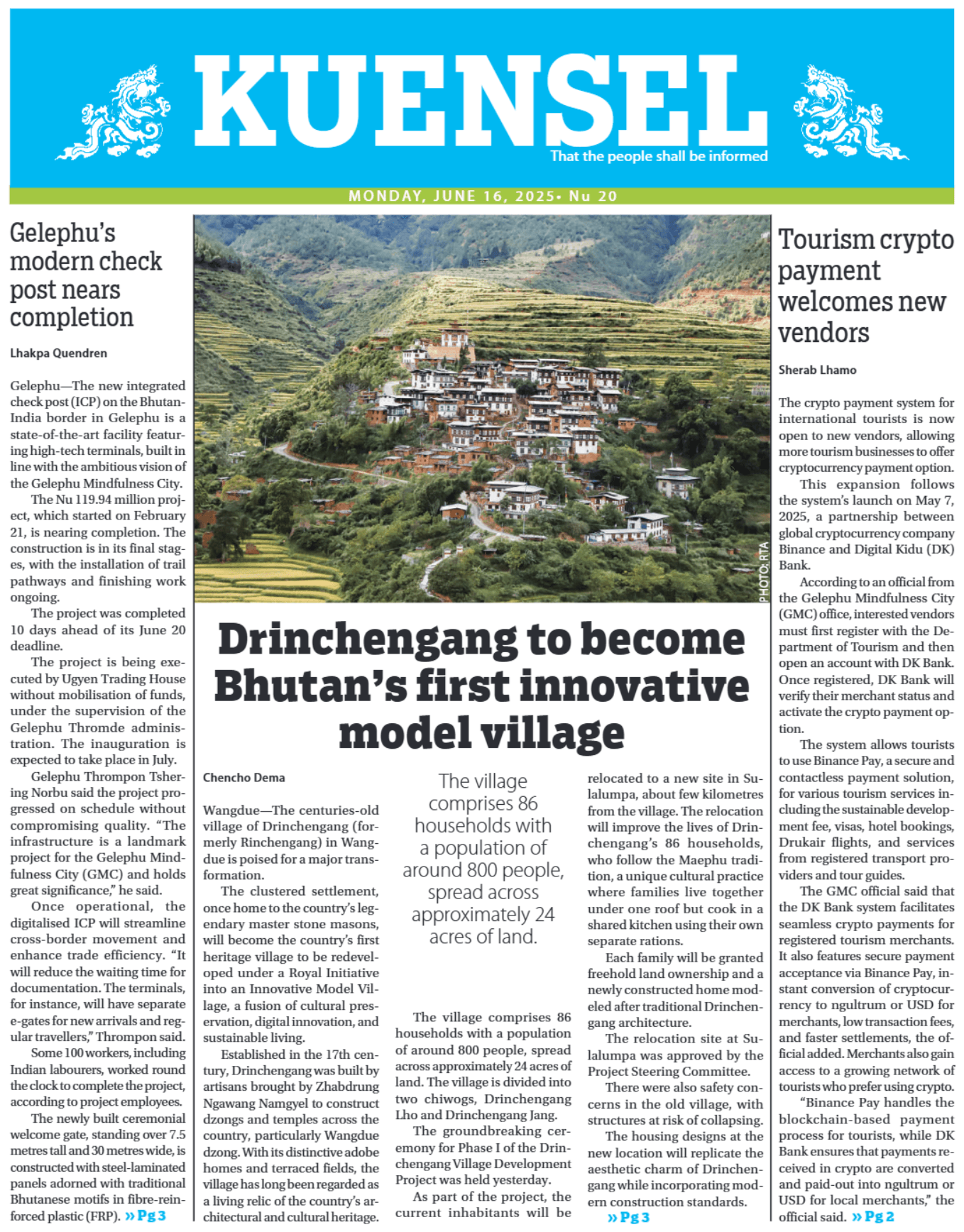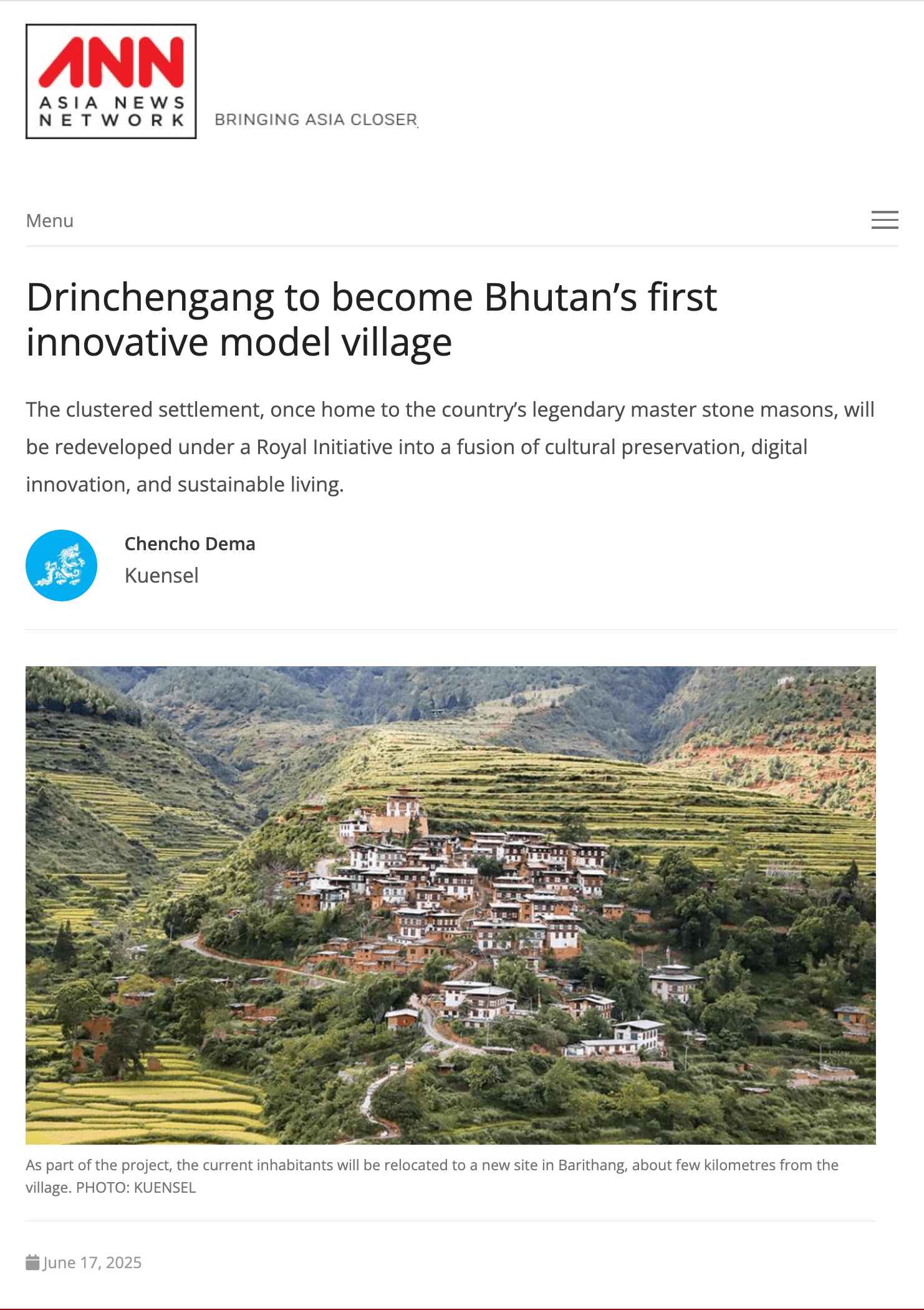
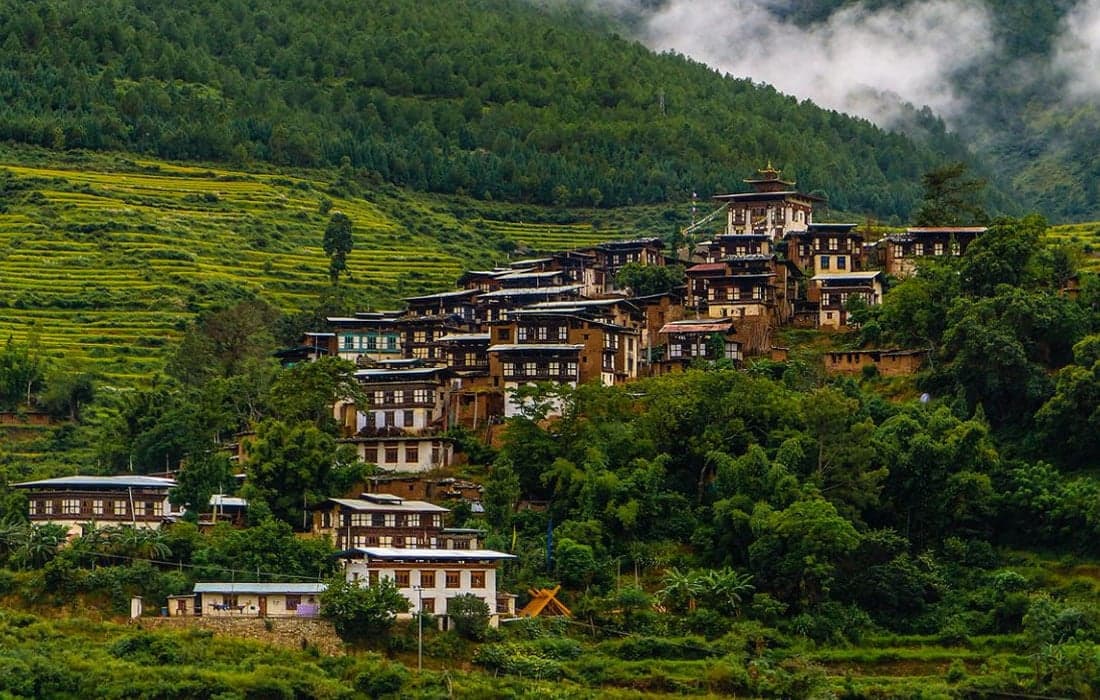

Drinchengang Village overlooking Wangdue River

Drinchengang: Dzongkha for “Land of Gratitude”

Drinchengang
Regenerative Village

Where Devotion & Heritage Meet Innovation

Pioneering a model Bhutanese village to uplift livelihoods, preserve traditions, and showcase a living blueprint for cultural preservation and shared prosperity.

Our Mission

We partner with local Bhutanese communities to transform villages through models that balance heritage preservation with modern, decentralized development.

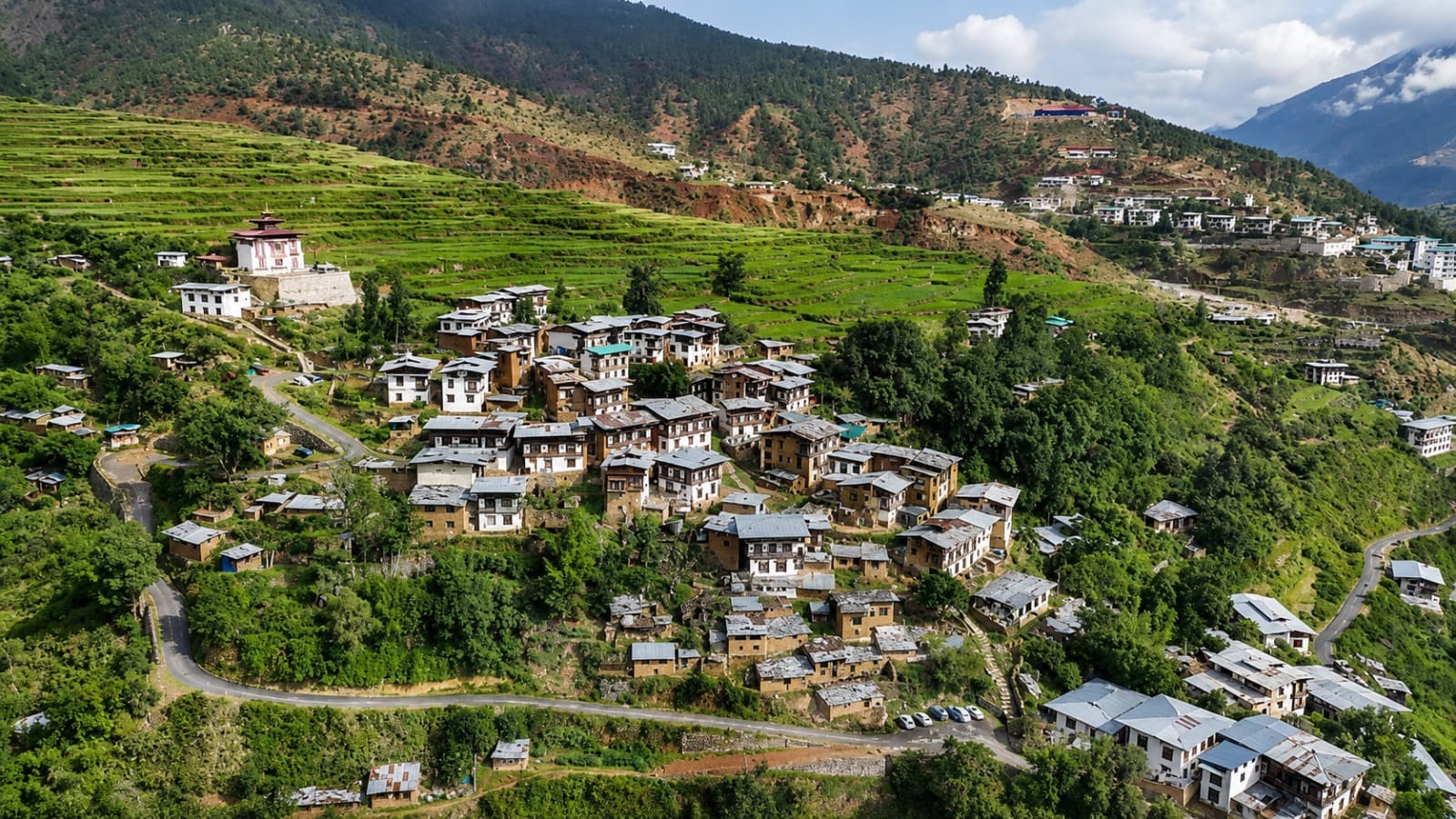
Aerial view of Drinchengang village nestled in green terraced hills

Living Heritage · Wangdue Phodrang

The Ancestral Home of Bhutan’s Master Masons

Perched on a ridge above the Wangdue River, in Wangdue Phodrang, Drinchengang is no ordinary village. For centuries, it was home to the master builders who constructed Bhutan's iconic Dzongs—fortresses of faith and culture that still stand strong today. Using only the natural materials at hand, these villagers shaped monuments that became the heart of Bhutanese spiritual and civic life.

Now, generations later, the village they once built with such devotion is itself in need of renewal. The same walls that sheltered the Dzong builders are crumbling, yet their spirit of resilience endures.

Through the Drinchengang Regenerative Village (DRV), we are coming full circle—revitalizing this historic community with the same care and craftsmanship its ancestors gave to Bhutan's Dzongs. By blending cultural preservation with modern infrastructure, we aim to uplift families, strengthen livelihoods, and ensure Drinchengang thrives as a living heritage village for generations to come.

“The Builders’ Legacy Lives On”
The Heart of Our Community

Keepers of tradition.
Builders of tomorrow.

“Our strength comes from the wisdom of our elders and the energy of our youth, working together to preserve our heritage while embracing progress”
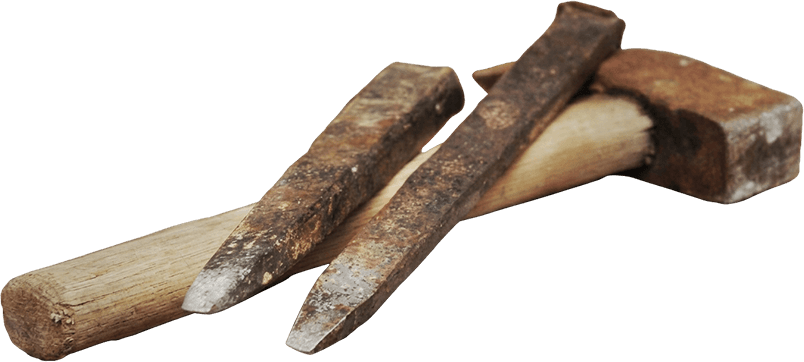
Traditional mason's chisels and hammer resting on cut stone

Generations ago, these villagers shaped Bhutan’s timeless Dzongs with their hands and hearts. Today, their descendants are once again at the center of history—revitalizing their own village as a living heritage for future generations.

Our Strategic Pillars

Rooted in values.
Built for tomorrow.

Rooted in Bhutanese values, these pillars guide our strategy toward resilience, cultural preservation, and sustainable development.

01

Cultural
Architecture

Heritage HomesGreen DesignEarthquake ResilienceSolar

Precious traditional homes are being reimagined with green design, earthquake resilience, and solar infrastructure—rooted in legacy, built for tomorrow.

02

Social
Enterprise

B&BsResidenciesCulture CentersCrafts Hubs

Plans include B&Bs, social entrepreneur residencies, cultural experience centers, and immersive arts and crafts hubs for both global and local creators in residence.

03

Regenerative
Economy

CooperativesTourismArtisan TradesReal Estate

Cooperative businesses, tourism, artisan trades, regenerative agriculture, and tokenized real estate combine to create resilient, future-forward revenue streams.

04

Shared Land
Ownership

Village TokensCo-OwnershipBlockchainThe Commons

A revolutionary village tokenization model enables fractional co-ownership of village prosperity, merging ancestral land stewards with global regenerative capital and rewarding community building and investment in the commons.

05

Builder's
Academy

Master MasonsOff-Grid HousingSacred CraftMentorship

Spark resilient, off-grid housing guided by Bhutanese master masons & built in harmony with nature. A global academy to train next-gen builders in sacred craftsmanship & regenerative design attesting through tokens, skill attainment, reputation, and mentorship.

06

Food
Sovereignty

Living AgricultureCreative HubsShared Prosperity

From heritage homes to living agriculture, from creative hubs to resilient builders, we are weaving together culture, innovation, and shared prosperity to revitalize Bhutan's villages for generations to come.

Steering Committee

Leadership with local voices at its heart.

Guided by a Steering Committee established under the Royal Command of His Majesty The King, our projects unite national leadership with local community voices to ensure integrity, inclusivity, and lasting impact.

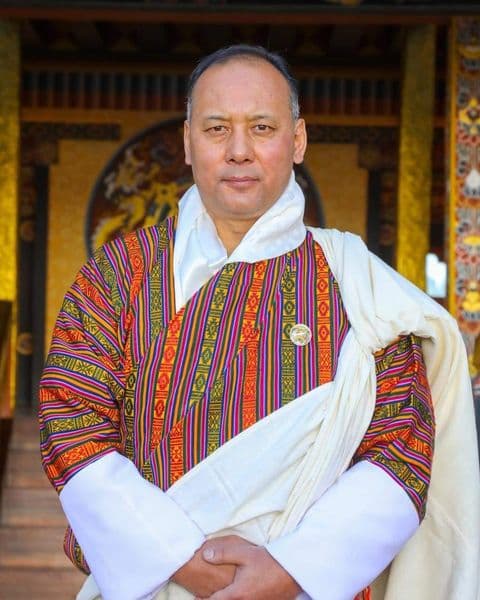
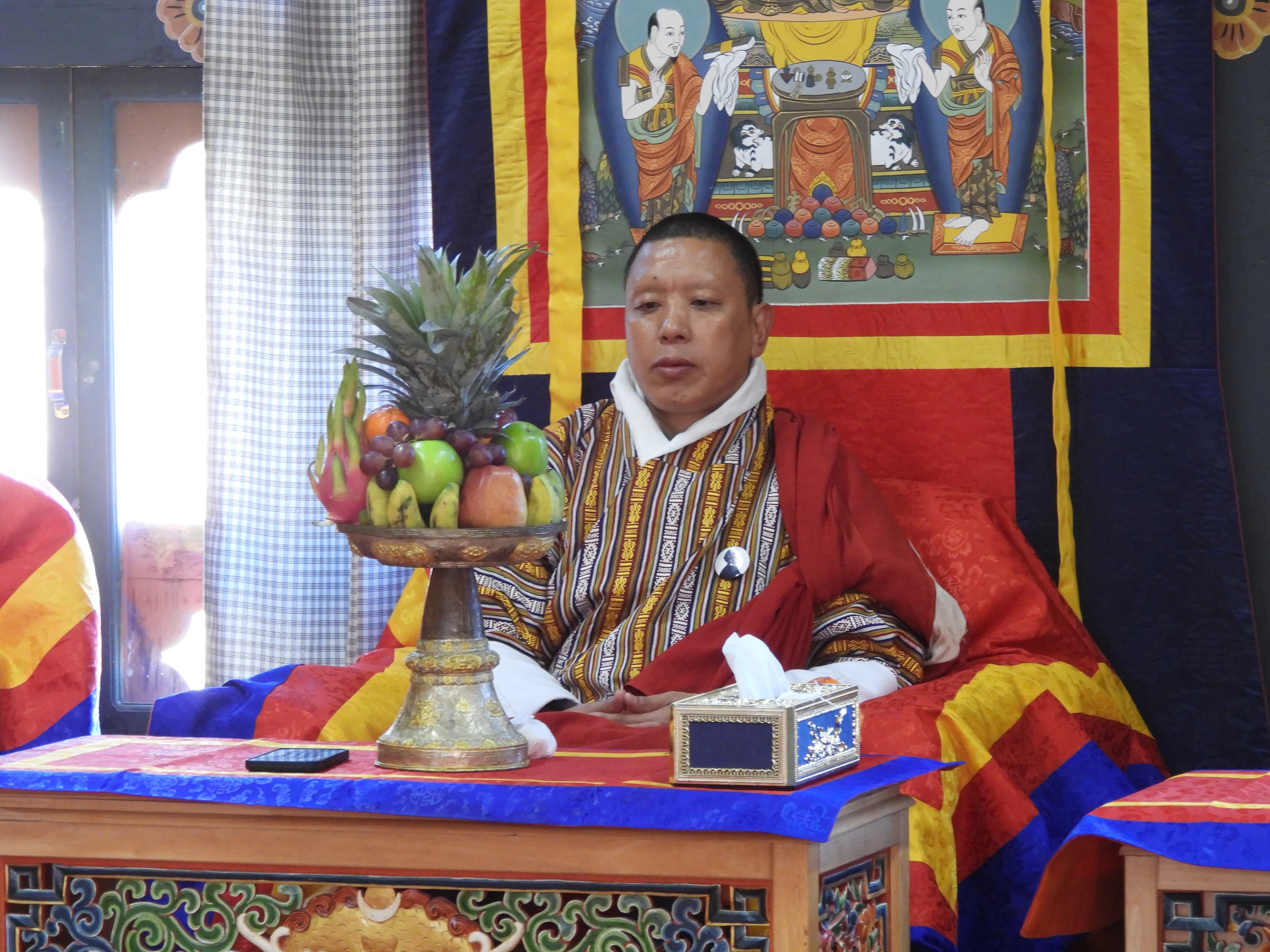
Mr. Tshering Gyaltshen Penjor

Mr. Tshering Gyaltshen Penjor

Chairperson

National Land Commission Secretariat

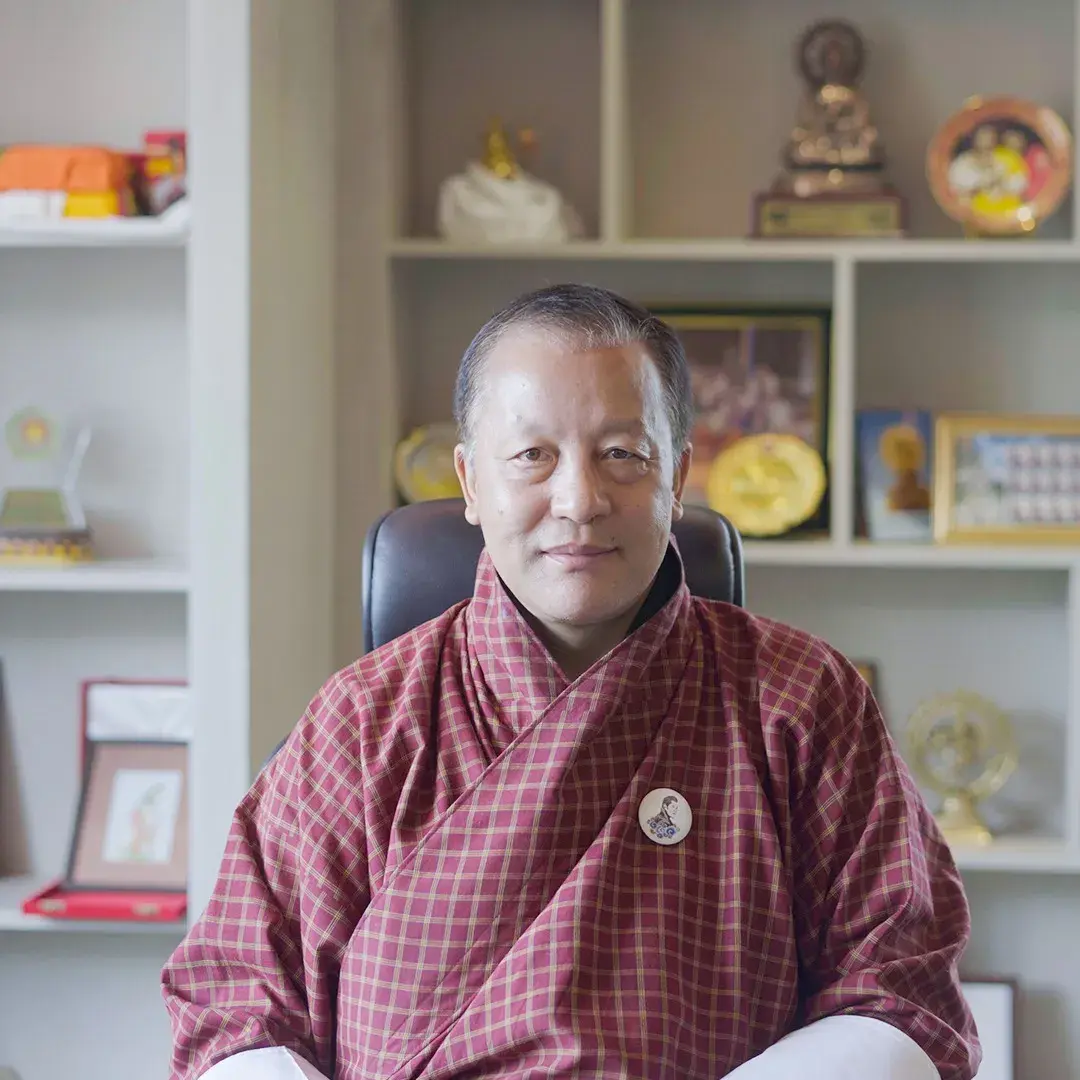
Dasho Karma Y Raydi

Dasho Karma Y Raydi

Member

Chairman, Druk Holdings and Investments

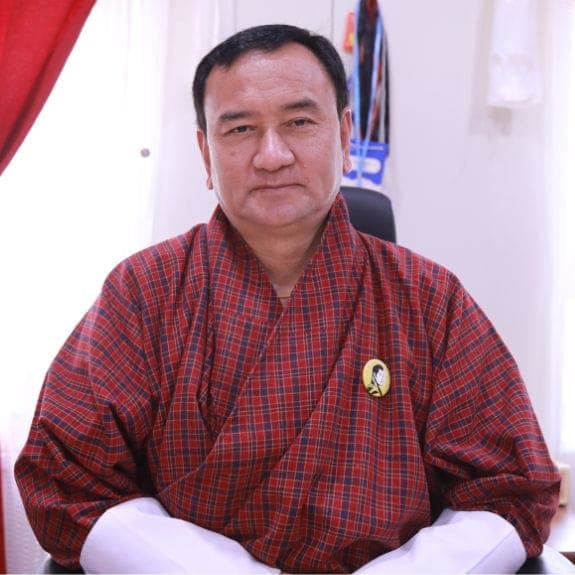
Mr. Karma Tshering

Mr. Karma Tshering

Member

Secretary, Ministry of Energy and Natural Resources

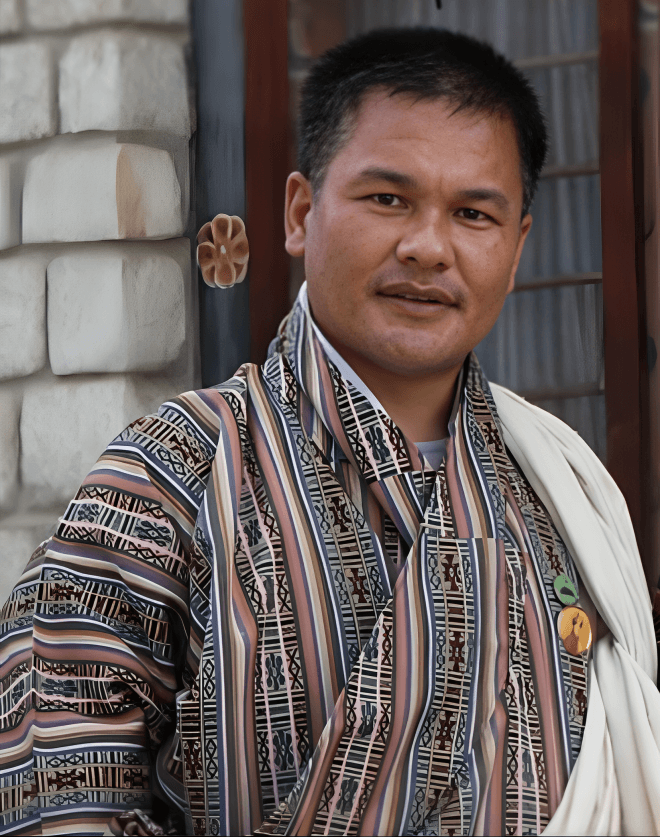
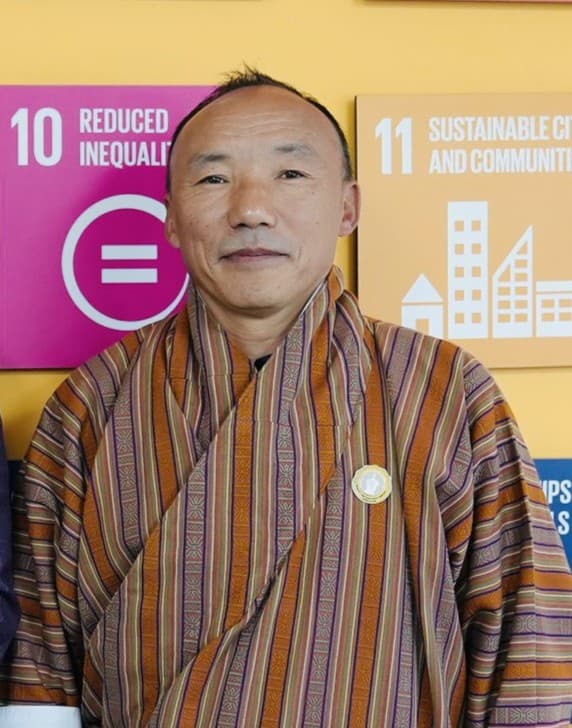
Mr. Nim Tshering

Mr. Nim Tshering

Member

Deputy Royal Chamberlain, Office of Gyalpoi Zimpon

Ms. Nagtsho Dorji

Ms. Nagtsho Dorji

Member

Director, Department of Culture and Dzongkhag Development

Mr. Damcho Rinzin

Mr. Damcho Rinzin

Member

Director, Department of Tourism

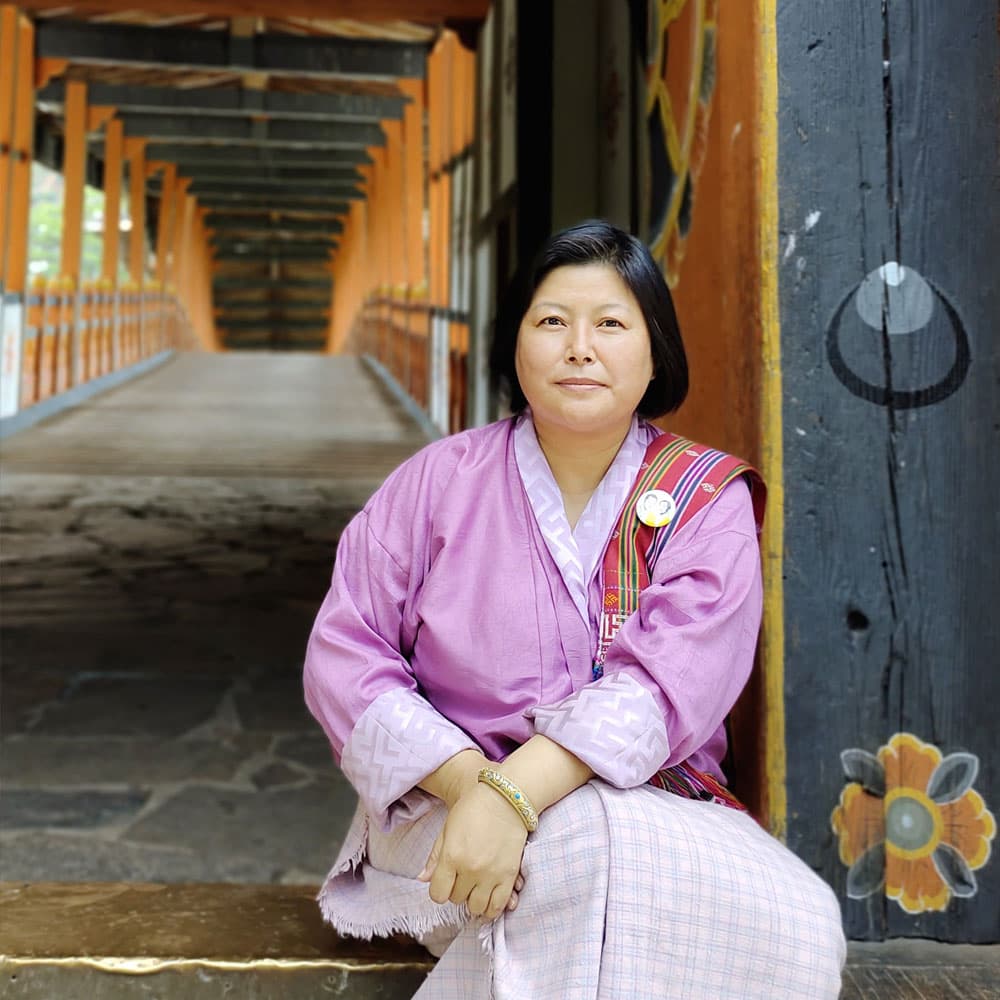
Mr. Tashi Dawa

Mr. Tashi Dawa

Member

Governor, Wangdue Phodrang District Administration, Bhutan

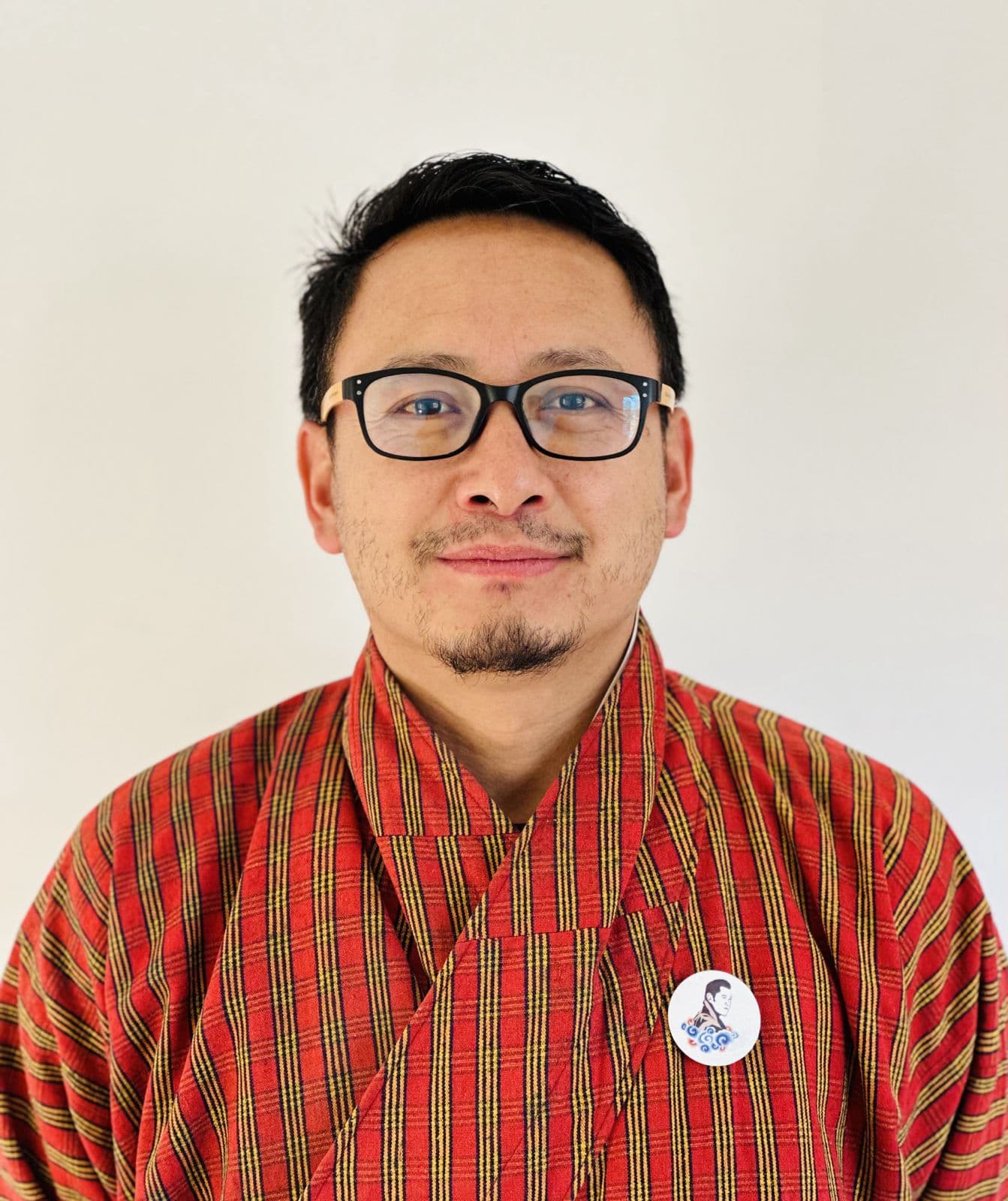
Mr. Phub Rinzin

Mr. Phub Rinzin

Member Secretary

Project Executive Director

DRV Team

International experience.
Bhutanese purpose.

The DRV Team is led by experienced developers of multi-billion-dollar international projects.

Mr. Phub Rinzin

Mr. Phub Rinzin

Executive Director (ED)

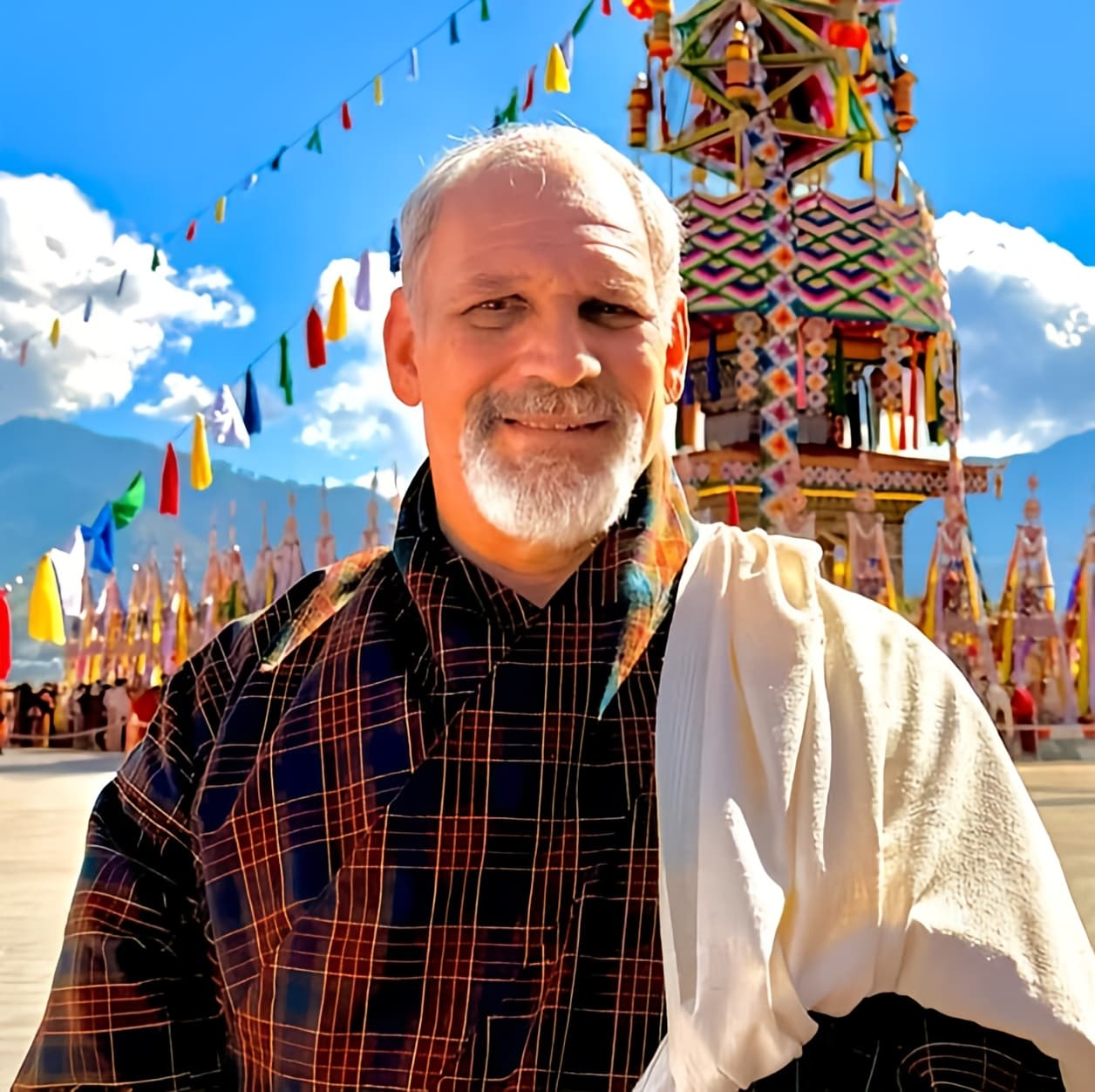
Mr. Richard Streitz

Mr. Richard Streitz

Deputy Executive Director (DED)

Our Development Journey

Four centuries
in the making.

Key milestones in our village transformation project

1625

Village land offered to builders

2018

His Majesty expressed his vision to renew village

2020–2022

Covid paused development

2023 Q1

Project Initiation

Community consultations and feasibility studies

2023 Q3

Preliminary site visits

2025 April

International advisory team site visits

2025 May

International advisory team engaged

2025 June

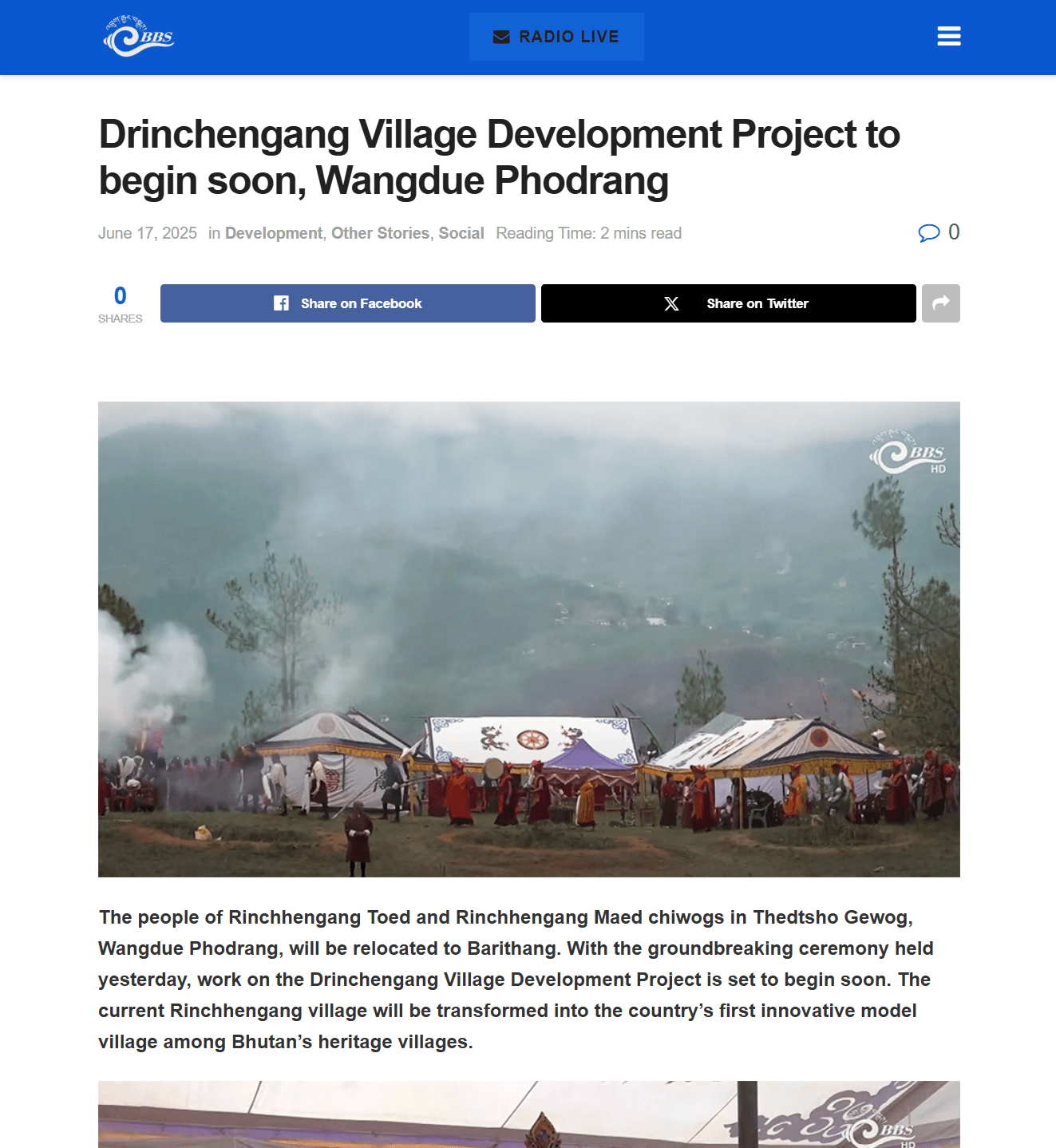
Groundbreaking

Research, planning, and initial ground survey work begin on key infrastructure.

2025 Q3

Comprehensive Site Location Evaluation

2025 Q3

3 Phase Strategy Approach Implemented

2025 Oct

DRV Team Established

ED & DED Assigned

2025 Dec

Engineering & Architecture Design

Design & planning of interim housing site.

2025 Dec

Heritage Museum Tokenization Approved

Fractional ownership and tourism revenue distribution plan to villager

2026 Q1

Phase 1: Begin Site Work, Road Development

Initial site preparation & construction begins

2026 Q2

Upcoming Milestones

First units of Phase 1 and Cultural Center opening

2026 Q3

Phase 2 and Phase 3

Combined 5-Year Outlook

Three engines.
One village economy.

Combined five-year revenue potential across the DRV visitor economy, Riverwalk and hotel node, and the 55+ community.

YearDRV Visitor Economy (Nu M)Riverwalk / Hotel Node (Nu M)55+ Community (Nu M)
Y191.048.028.0
Y2188.591.061.0
Y3273.0132.084.0
Y4331.5158.091.0
Y5390.0184.098.0

Nu 1.274B

DRV visitor economy · 5-year gross revenue

Nu 613M

Riverwalk / hotel node · 5-year gross revenue

Nu 362M

55+ community · 5-year gross revenue

Nu 2.249B

Total modeled 5-year revenue

Revenue principles: conservative ramp-up after opening; prioritize village cashflow and local enterprise participation; externally funded components should not increase the OGZ/MoF budget burden. Planning assumptions only — not guaranteed returns.

Partners & Safeguards

Aligned capital.
Protected community.

Investor & Strategic Partners

01

TTI / impact investors

Pelsuung Fund and mentorship/donation programme for Drinchengang youth.

02

TOWER / health systems

Diagnostics and remediation, sports and generational-health pilots, and external health funding.

03

DHI / Bhutan partners

Institutional alignment, enterprise structuring, and national scaling.

04

Grassroots Economics

Village commitment mapping, tokenized registry, and community credit models.

05

Tourism / craft / agriculture operators

Pipeline for Phase III and riverwalk operations.

Health, Water & Governance

01

A national survey found 75.9% of children tested with blood-lead levels ≥3.5 µg/dL. DRV is running a scoped Phase 0 diagnostic pilot covering food, water, dust, soil, and household materials before broader remediation commitments.

02

Potable-water materials, joints, and alignment are under formal quality-control review; public and Gewog approval is required before installation.

03

Budget, procurement, and audit controls — including workstream coding, inspection sign-offs, and cashflow-by-FY reporting — are being formalized for OGZ/MoF reporting.

04

No speculative public retail tokenization; village consent is required before any digital registry expansion.

Investor-facing materials separate public-good infrastructure, village-owned enterprise, PPP/concession packages, and private-capital assets so community safeguards stay clear.

National Scaling

A blueprint
for Bhutan.

The Drinchengang model can be adapted kingdom-wide — from central agroforestry hubs to alpine communities and integrated urban-rural regeneration centers — using scalable data systems, processes, and infrastructure.

01

Chumey

Central Bhutan model focused on agroforestry and crafts.

02

Laya

High-altitude adaptation for alpine ecology.

03

Gelephu

Integrating urban and rural regeneration as a Mindfulness City.

04

National Scaling

Tokenized impact and data systems for 700+ villages across Bhutan.

Drinchengang is more than a project.

It is the start of a strategic vision for the Wangdue region — the first national-level model for regenerative development, showing how tradition and innovation can coexist in balance under His Majesty's vision. For the villagers. For the Wangdue Valley. A living model for Bhutan.

Media

From the village ridge,
to the world.

These features have helped carry our dream beyond the village ridge, inviting the world to join in preserving heritage and building a regenerative and prosperous future.